
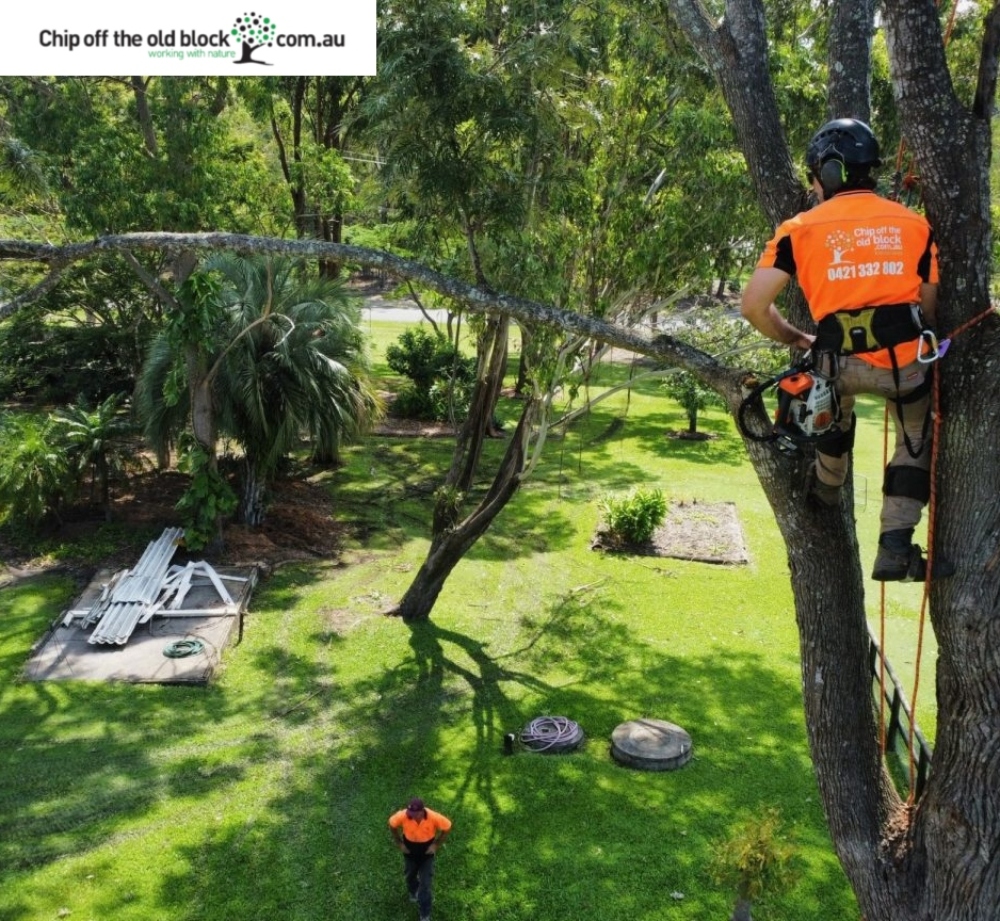
Trees can add shade, privacy and natural beauty to properties throughout Wellington Point. However, as trees grow, branches can become overgrown, damaged or difficult to manage. Knowing when professional tree lopping or tree trimming may be required can help property owners address potential safety and maintenance issues before they become more serious.
For homeowners, understanding the condition of a tree is important before deciding whether it needs pruning, trimming, lopping or removal. Factors such as branch growth, tree health, proximity to buildings and storm damage can all influence the type of tree care that may be appropriate.
Signs Your Trees May Need Tree Lopping in Wellington Point
One of the first steps is identifying changes in the tree that indicate it may require professional attention. Overgrown trees do not always need to be removed, but excessive growth can create problems around homes, fences, driveways and other structures.
Overgrown Tree Branches
Overgrown branches are one of the most common reasons homeowners consider tree lopping in Wellington Point. Branches that extend too far over a roof, driveway or neighbouring property can become difficult to manage, particularly when the tree continues to grow.
Professional tree trimming can sometimes control excessive growth while maintaining a suitable shape. Where more substantial branch reduction is required, professional assessment can determine whether tree lopping is appropriate.
Dead, Broken or Damaged Tree Branches
Dead branches and broken limbs can become a safety concern, particularly after strong winds or storms. Damaged branches may weaken further over time and can fall unexpectedly.
An arborist can assess the condition of affected branches and determine whether tree pruning, trimming or removal of damaged sections is required. Addressing deadwood early can also help prevent damaged branches from affecting surrounding areas.
Tree Trimming and Tree Pruning for Overgrown Trees
Not every overgrown tree needs extensive lopping. In many situations, tree trimming or tree pruning may provide a more suitable way to manage growth.
When Is Tree Trimming Needed?
Tree trimming can help manage branches that have become uneven, excessive or poorly positioned. It may be suitable when a tree needs selective branch reduction rather than significant removal.
Regular tree trimming can also help maintain clearance around buildings, fences and access areas. The correct approach depends on the species, size, structure and overall health of the tree.
When Is Tree Pruning More Appropriate?
Tree pruning generally involves selectively removing branches to improve the structure, health or safety of a tree. It can be useful for removing deadwood, damaged branches or growth that is creating an imbalance.
For Wellington Point properties with established trees, professional tree pruning can be an important part of ongoing tree maintenance. It may also reduce the need for more extensive work later if problems are identified early.
How to Tell If a Tree Needs an Arborist Assessment
Some tree problems are not obvious from ground level. Cracks in major branches, unusual leaning, weak branch unions, dead sections and significant changes in the tree’s structure can indicate that an assessment is required.
An arborist can consider the condition of the tree, surrounding property and potential hazards before recommending suitable tree care. This is particularly important where large trees are close to homes, sheds, fences, driveways or areas regularly used by people.
Rather than automatically choosing tree lopping, an arborist assessment can help determine whether pruning, trimming, lopping or another form of tree maintenance is more appropriate.
Tree Lopping for Trees Near Roofs, Fences and Driveways
Trees growing close to structures can require additional attention as branches become larger. Branches overhanging a roof can create maintenance concerns, while growth around fences and driveways may interfere with access or clearance.
In Wellington Point, homeowners should consider the relationship between tree growth and nearby structures when assessing whether tree trimming or tree lopping is required. Selective pruning may resolve some clearance issues, while larger or more established trees may require a more detailed assessment.
The aim should be to manage problematic growth without unnecessarily removing healthy parts of the tree.
Storm-Damaged Trees and Emergency Tree Trimming in Wellington Point
Severe weather can change the condition of a tree quickly. Strong winds may break branches, split limbs or cause sections of a tree to become unstable.
Storm-damaged trees should be assessed carefully, particularly when broken branches are hanging over roofs, driveways or areas where people may walk. Attempting to cut large or unstable branches without the appropriate equipment and experience can create additional risks.
Professional tree trimming or tree removal may be required depending on the extent of the damage. An arborist can assess the remaining structure and determine what work is necessary to make the tree safer.
When Tree Removal May Be Better Than Tree Lopping
Tree lopping is not always the right solution for a problematic tree. In some situations, removal may be more appropriate, particularly when a tree has significant structural problems, extensive storm damage or serious health issues.
Signs that may require further assessment include extensive deadwood, major trunk damage, severe leaning or large sections of the canopy becoming unstable.
A professional assessment can help determine whether the tree can be retained through pruning or trimming, or whether tree removal is a more appropriate option.
How Regular Tree Maintenance Can Reduce Tree Problems
Regular tree maintenance can make it easier to identify problems before they become major issues. Checking trees for dead branches, excessive growth, storm damage and changes in structure can help property owners recognise when professional tree care may be needed.
Tree pruning and tree trimming can form part of ongoing maintenance for suitable trees. Regular assessment may also help homeowners understand when more substantial tree lopping is necessary.
For larger trees, professional advice is particularly useful because the appropriate method can vary according to the species, tree structure, location and surrounding property.
What Should Wellington Point Homeowners Consider Before Tree Lopping?
Before arranging tree lopping in Wellington Point, homeowners should consider the tree’s condition, size, location and the reason for removing or reducing branches.
It is also important to consider whether the tree requires simple trimming, selective pruning or more extensive lopping. Where there are signs of structural damage or instability, an arborist assessment can provide a clearer understanding of the safest approach.
Taking these factors into account can help ensure tree work is based on the actual condition of the tree rather than simply its size or appearance.
Contact Chip Off The Old Block for Tree Lopping in Wellington Point
At Chip Off The Old Block, our experienced team provides professional tree care services for properties in Wellington Point and surrounding areas. We can assess overgrown trees, damaged branches and other tree-related concerns to determine whether pruning, trimming, lopping or removal is appropriate.
Whether you are dealing with overgrown branches, storm-damaged trees, deadwood or a tree growing close to your property, our team can provide professional assistance based on the condition and location of the tree.
If you are looking for Wellington Point tree lopping services, contact Chip Off The Old Block to discuss your tree care requirements and determine the most appropriate solution for your property.